

What if the most effective way to break the cycle of recurring gastric ulcers isn't a stronger pharmaceutical, but the strategic application of marshmallow root? It's deeply frustrating to watch your horse struggle with "faecal water syndrome" or poor condition despite providing the best forage and care. You've likely experienced the anxiety of relying on long-term PPIs, wondering if there's a more sustainable way to support your horse's internal health. We agree that your horse deserves a settled, comfortable digestive system. It should function as nature intended.
In this science-led guide, you'll discover how the unique properties of this botanical create a physical protective layer for the equine digestive tract. We'll explain the biological mechanisms that make it so effective and show you how to integrate it into a methodical nutritional plan for long-term wellness. By the end of this article, you'll have a clear understanding of how to supplement safely to improve nutrient absorption and restore your horse's vitality from the inside out.
Key Takeaways
- Understand the biological function of demulcents and how the high polysaccharide content in marshmallow root provides a physical barrier for the gastric lining.
- Learn how mucilage interacts with saliva to create a protective gel that supports horses prone to gastric discomfort or loose manure.
- Evaluate the environmental and nutritional advantages of choosing sustainable botanical options over over-harvested alternatives like Slippery Elm.
- Identify precise dosage and preparation methods, including how to utilise cold infusions to maximise mucilage release for your horse.
- Discover how foundational gut integrity facilitates the optimal absorption of essential minerals from your daily supplement regime.
What is Marshmallow Root and Why is it Essential for Equine Vitality?
Marshmallow root, or Althaea officinalis, is a hardy perennial herb that has become a cornerstone of evidence-based equine nutrition. While many associate the name with confectionery, the plant itself is a complex biological tool rich in polysaccharides. These specific carbohydrates are responsible for the plant's remarkable ability to support the delicate mucous membranes of the equine digestive tract. In veterinary nutrition, marshmallow root is classified as a demulcent. This means it contains a high concentration of mucilage, a viscous substance that, when ingested, forms a soothing physical barrier over irritated or inflamed tissues.
It's important to distinguish between the various parts of the plant used in supplements. While the leaves do contain some beneficial compounds, the root is the primary source of mucilage, offering a significantly higher concentration of the protective polysaccharides your horse requires. For horse owners in New Zealand, this herb is increasingly vital. Our unique pasture conditions, often high in soluble sugars and prone to rapid seasonal changes, can trigger gut sensitivities. Marshmallow root provides a non-invasive way to buffer the stomach and hindgut against these environmental stressors.
The History of Althaea Officinalis in Equine Care
The use of this herb dates back centuries, originally valued as a traditional remedy for soothing internal and external inflammation. However, we've moved far beyond anecdotal folk medicine. Modern nutritional science now recognises marshmallow root as a high-integrity ingredient in specific horse supplements designed for gastric support. This transition reflects our "Inside Out" philosophy; we prioritise the foundational health of the digestive system to ensure the horse can thrive in work and life. It's about moving from reactive treatment to proactive, systemic support.
Identifying High-Quality Marshmallow Root
Not all herbal supplements are created equal. When sourcing marshmallow root, you should look for a pale, off-white to creamy yellow colour and a faint, sweet scent. The texture of the powder should be fine and free from grit. We strongly advocate for human-grade herbs because they undergo more rigorous testing for purity and potency. Cheaper alternatives often contain "fillers" like rice hulls or grain by-products. These unnecessary additives can actually compromise gut health by altering the delicate microbial balance of the hindgut, defeating the purpose of the supplement entirely. Choosing a pure, transparently sourced product ensures your horse receives the targeted biological support they need without the risk of hidden irritants.
The Biological Mechanism: How Mucilage Supports the Gastric Lining
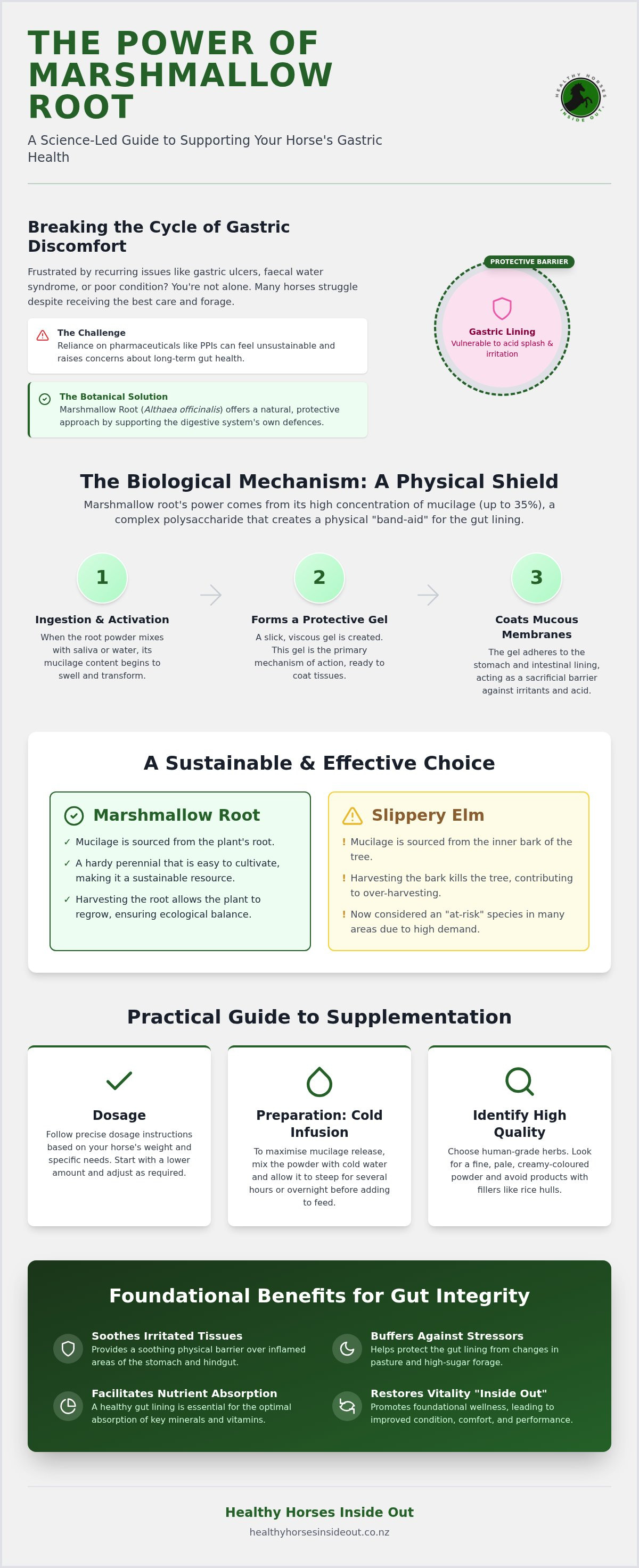
The efficacy of marshmallow root lies in its physical properties rather than a purely chemical interaction. The root contains a high concentration of mucilage, often reaching up to 35% of its total composition. When this powder makes contact with water or the horse's saliva, it undergoes a transformation. It swells and becomes a slick, viscous gel. This isn't just a byproduct; it's the primary mechanism of action. This gel functions as a physical barrier, adhering to the mucous membranes as it travels through the digestive tract. It's a methodical way to provide relief without interfering with the natural pH balance required for protein digestion.
Inside the stomach, this substance provides what we call a "Band-Aid" effect. It coats both the squamous (upper) and glandular (lower) mucosa. Unlike pharmaceutical PPIs that stop acid production, this botanical approach focuses on protection and recovery. A scientific study on gastro-protective effects highlights how these polysaccharides can reduce the severity of mucosal damage by shielding the lining from irritants. This layer acts as a sacrificial barrier. It absorbs the brunt of the corrosive digestive environment so the tissue underneath can remain healthy. This is particularly relevant for horses transitioning between different types of forage or pasture.
Protecting Against Gastric Acid
Demulcents are agents that form a protective film over mucous membranes to relieve inflammation and irritation. This film is particularly vital for horses in regular work. During exercise, the movement of the horse causes gastric acid to "splash" onto the unprotected squamous region of the stomach. For horses with limited turnout or those on high-grain diets, this acid exposure is constant. By providing a thick, mucilaginous buffer, you're giving the stomach lining a chance to maintain its integrity despite these daily challenges. It's a proactive strategy for maintaining comfort during training.
Marshmallow Root and Hindgut Health
The benefits aren't confined to the stomach. As the mucilage moves into the small intestine and hindgut, the polysaccharides continue to soothe the intestinal walls. This is critical for managing systemic inflammation or "leaky gut," where the intestinal barrier becomes compromised. By supporting the mucous layer in the large colon, marshmallow root helps maintain a stable environment for the microbiome. A settled hindgut leads to better manure consistency and improved nutrient uptake. If you're looking to optimise your horse's foundational health, exploring specific horse supplements that include these demulcent properties is a logical step. This approach ensures that the entire digestive transit is supported, not just the stomach.
Marshmallow Root vs Slippery Elm: Choosing the Right Mucilaginous Herb
Choosing between these two powerhouse herbs requires a look beyond their immediate soothing effects. While both are classified as demulcents, they aren't strictly interchangeable in a long-term nutritional plan. Slippery Elm is often cited as the traditional choice for acute gastric distress, yet marshmallow root provides a comparable mucilage profile that is frequently more suitable for the daily management of "poor doers." For horses requiring ongoing support to maintain condition and gut comfort, the decision often rests on a balance of biological efficacy, cost-effectiveness, and environmental responsibility.
Sustainability and Ethical Sourcing
The environmental impact of these two botanicals is a significant point of differentiation. Slippery Elm is harvested from the inner bark of the tree, a process that can be destructive and has led to concerns about over-harvesting in its native North American habitats. In contrast, marshmallow root is a perennial herb that is easily cultivated as a sustainable crop. We prioritise ingredients that align with long-term ecological integrity. This ensures that your choice doesn't just benefit your horse today but also protects the natural resources we rely on for the future. Understanding the origin of your horse supplement ingredients NZ is a vital step for any savvy owner who values transparency and ethical production standards. By choosing cultivated herbs, we avoid contributing to the decline of vulnerable wild species.
Efficacy in the Equine Digestive Tract
In terms of physical performance, both herbs produce a protective gel, but their viscosities differ. Slippery Elm typically creates a denser, more paste-like substance. Marshmallow root produces a slightly more fluid, slick gel that excels at coating the extensive surface area of the equine small intestine and hindgut. This makes it particularly effective for horses with "fecal water syndrome" or general pasture sensitivity. Palatability is another practical consideration. Many horses find the slightly sweet, earthy flavour of marshmallow root more appealing than the somewhat bland or slightly bitter profile of elm bark. For owners of picky eaters, this can be the deciding factor. Integrating the powder into a damp feed or a small amount of chaff usually ensures full compliance, allowing the mucilage to begin its protective work the moment it's ingested. If the gut issue is chronic and requires months of support rather than days, the sustainability and palatability of the root often make it the superior strategic choice.
Practical Feeding Guide: Dosage, Preparation, and Safety Considerations
Applying marshmallow root effectively requires more than just adding a scoop to a bucket. To achieve the biological barrier discussed earlier, the dosage must be tailored to the horse's metabolic weight and specific health requirements. Generally, a daily dose of 10 to 15 grams is sufficient for ponies. Standard hacks usually require 20 to 25 grams, while heavy horses or those in intensive work may need 30 grams or more to ensure adequate mucosal coverage. Timing is equally critical. We recommend feeding the supplement approximately 30 minutes before exercise or a grain meal. This allows the mucilage time to expand and coat the stomach lining, providing a physical buffer against the acid splash that occurs during movement.
Cold Infusion vs Dry Feeding
While feeding the powder dry is convenient, it isn't always the most efficient way to activate the polysaccharides. Cold water extraction is the gold standard for maximising mucilage release. Unlike heat, which can degrade some of the delicate compounds, cold water allows the gel to form slowly and thoroughly. To prepare a cold infusion, follow these steps:
- Place the measured daily dose of marshmallow root into a clean glass jar or container.
- Add approximately 250ml to 500ml of filtered cold water.
- Shake or stir the mixture and leave it in a cool place for 4 to 8 hours, or overnight.
- Stir the resulting thick "slurry" directly into your horse's damp feed.
This method is easy to incorporate into an everyday horse supplement routine. It ensures the gut is primed before the horse consumes its main ration, which is particularly beneficial for horses with sensitive digestive systems.
Potential Side Effects and Contraindications
Marshmallow root is remarkably safe, even for long-term use, but its primary strength is also its primary contraindication. The mucilaginous layer that protects the gut can also slow down the absorption of oral medications. If your horse is on heart medication, antibiotics, or other critical prescriptions, you should feed the herb at least two hours away from those drugs. This ensures the medication is absorbed as intended by the manufacturer.
While the herb is generally considered safe for pregnant mares, we always advise consulting your veterinarian before introducing new botanicals during gestation. It's also vital to recognise that while demulcents support recovery and comfort, they don't replace professional diagnostics. If your horse shows signs of acute colic, extreme weight loss, or severe gastric distress, immediate veterinary intervention is required. For owners ready to implement a methodical, science-led gut health strategy, you can source high-purity ingredients at healthyhorsesinsideout.co.nz.
Integrating Marshmallow Root into a Holistic Nutritional Strategy
A protected gut is the non-negotiable foundation for effective nutrient uptake. If the intestinal lining is inflamed or the mucous layer is thinned, the absorption of critical minerals like Copper and Zinc is significantly hindered. We often see horses on high-quality diets that still display signs of mineral deficiency because their internal environment isn't optimised for absorption. By using marshmallow root to establish a healthy mucosal barrier, you're ensuring that the investment you make in HHIO Pellets actually reaches the horse's systemic circulation. It's about efficiency and biological logic.
Combining this botanical with a targeted horse gut health strategy involving prebiotics creates a powerful synergy. While the mucilage soothes and protects the physical lining, prebiotics provide the necessary substrate for beneficial microbes to thrive in the hindgut. This dual approach addresses both the physical structure and the microbial population of the digestive tract simultaneously. When the digestive transit is stable, we often observe a profound shift in the horse's temperament. A horse free from the low-level discomfort of gastric irritation is naturally more focused, calm, and responsive to training. The gut-brain axis is a powerful driver of performance.
The "Inside Out" Approach to Equine Wellness
Masking symptoms with traditional antacids is often a short-term fix that doesn't address underlying mucosal integrity. Our philosophy focuses on long-term wellness by supporting the structural components of the gut wall over time. Marshmallow root doesn't just provide immediate relief; it creates a shielded environment where the body's natural repair mechanisms can function without constant acid interference. The results of this foundational health are eventually visible on the outside. You'll notice a deeper coat shine, improved hoof quality, and a more resilient muscle topline as the horse begins to synthesise and utilise nutrients more effectively.
Creating Your Horse’s Bespoke Supplement Plan
Determining whether your horse requires specific horse supplements depends on their individual workload, age, and environmental stressors. A methodical approach involves monitoring visible progress and adjusting dosages based on seasonal changes or stress levels. For example, the high-sugar "flush" of New Zealand spring grass or the stress of a heavy competition season may require a temporary increase in protective demulcents. By acting as a methodical mentor for your horse's health, you can move away from guesswork and toward a science-led nutritional regime. This intentionality provides the peace of mind that comes from knowing your horse's internal health is truly supported.
Prioritising Foundational Health for Long-Term Vitality
Establishing a resilient digestive system requires a shift from reactive symptomatic masking toward a methodical, biology-led approach. Integrating marshmallow root into your horse's daily regime provides a critical physical barrier that protects the gastric and intestinal mucosa from environmental stressors. This intentionality ensures that your horse can maintain its condition and absorb essential minerals effectively, leading to visible improvements in performance and temperament. When the gut is settled, the entire system can thrive as nature intended.
We invite you to explore our range of targeted equine supplements at Healthy Horses Inside Out. Our science-led formulations are specialised for New Zealand pasture conditions and are trusted by horse owners nationwide for their purity and efficacy. By focusing on the "inside out" philosophy, you're investing in a future of comfort and vitality for your horse. We're proud to be your partner in this journey toward evidence-based wellness and peace of mind.
Frequently Asked Questions
Can I feed marshmallow root to a horse with active gastric ulcers?
Yes, you can feed this botanical to a horse with active gastric ulcers to provide immediate physical relief. The mucilage forms a protective film that buffers the sensitive gastric lining against corrosive stomach acid. While it's an excellent supportive tool for comfort, it should be used alongside veterinary-prescribed treatments for severe cases. It helps create an environment where the mucosa can begin to recover without constant irritation from splashing acid.
How long does it take for marshmallow root to start working in horses?
You'll notice the physical effects almost immediately once the gel reaches the stomach, but systemic improvements usually take longer. Most owners report seeing a difference in their horse's comfort levels and manure consistency within seven to fourteen days of consistent feeding. For chronic issues, it may take several weeks to observe the full benefits, such as improved nutrient absorption and a more settled temperament during work.
Is marshmallow root safe for long-term daily use in horses?
Yes, marshmallow root is considered safe for long-term daily use in most horses. Unlike pharmaceutical acid blockers, it doesn't shut down acid production or interfere with the stomach's natural pH balance. Instead, it provides a physical layer of protection. This makes it a sustainable option for horses with ongoing pasture sensitivities or those prone to recurring gastric distress, provided it's integrated into a balanced nutritional plan.
Does marshmallow root affect the absorption of other horse supplements?
It's possible for the mucilage in marshmallow root to slow the absorption rate of other supplements or oral medications. The same gel that protects the gut wall can act as a temporary barrier for other substances. To ensure your horse receives the full benefit of its everyday horse supplements, we recommend feeding the botanical at least two hours away from any critical oral medications or concentrated mineral doses.
What is the difference between marshmallow root powder and cut root for horses?
The primary difference lies in the surface area and the speed of mucilage release. The powdered form is usually preferred for equine use because it activates quickly when mixed with water or saliva. Cut root is often used for making strained teas or cold infusions, but it requires longer soaking times to release its full polysaccharide content. For most owners, the powder offers a more practical and efficient delivery method.
Can marshmallow root help with faecal water syndrome in horses?
This herb is highly effective for managing faecal water syndrome due to its ability to soothe the hindgut and colon. The mucilage helps to regulate the transit of waste and provides a protective layer for the delicate intestinal mucosa. This often leads to improved manure consistency and a reduction in the "leaky gut" symptoms that contribute to the presence of excess water in the horse's droppings.
Is marshmallow root a swabbable substance for competitive horses?
No, this botanical is not currently listed as a prohibited or swabbable substance by major competitive bodies like the FEI or New Zealand Thoroughbred Racing. It is a natural feed additive used for nutritional support. However, we always recommend that competitive riders check the latest regulations of their specific sporting body, as rules regarding herbal supplements can be updated periodically. It remains a safe choice for performance horses.
Can I combine marshmallow root with slippery elm?
You can certainly combine these two herbs, but it's often unnecessary as they perform very similar functions. Both act as demulcents to provide a mucilaginous barrier for the digestive tract. Using both simultaneously might lead to a very thick feed consistency that some picky eaters find unappealing. Most owners find that choosing one high-quality, sustainably sourced herb is sufficient for achieving the desired gastro-protective results.


