
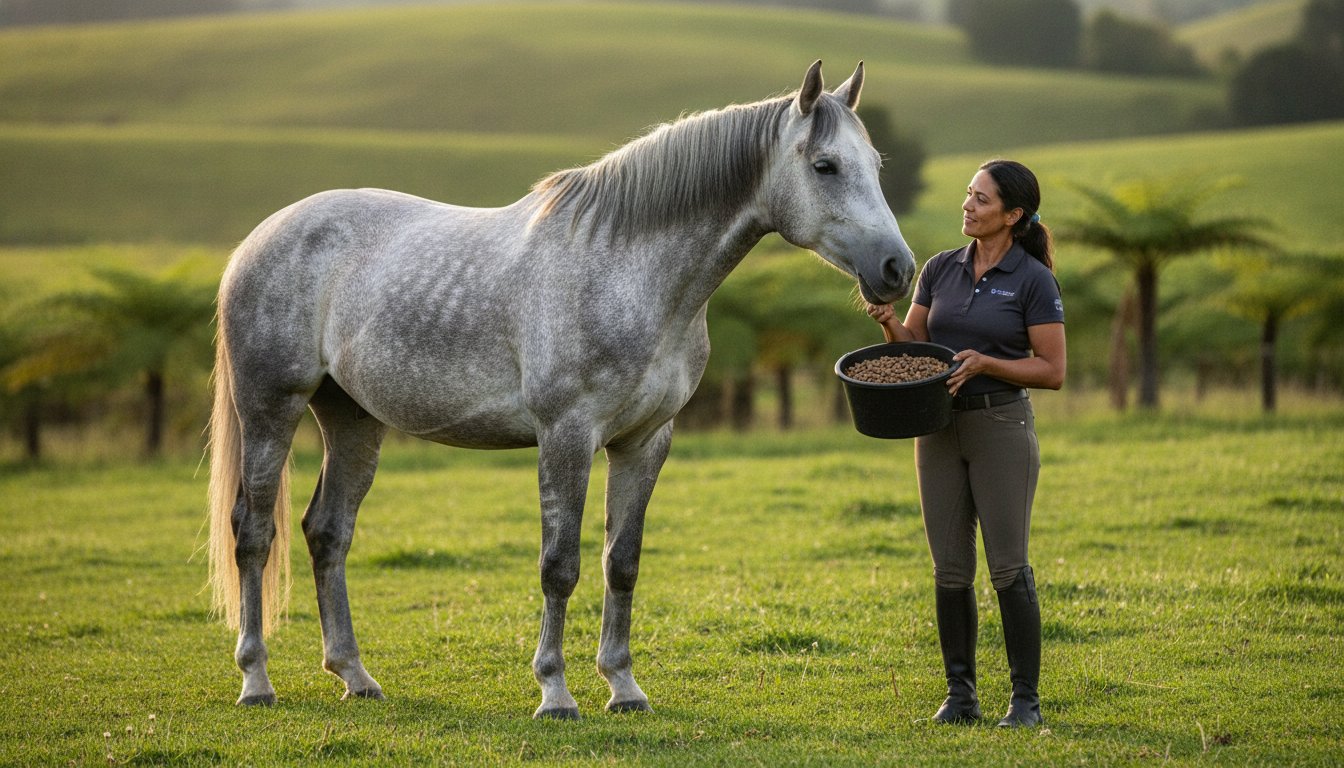
That premium bag of "senior" feed you've been lugging into the tack room might actually be the very thing standing between your horse and true vitality. While many owners rely on these pre-mixed bags, the most effective senior horse supplements NZ are those designed to bridge the specific gap between New Zealand's unique soil profile and the horse's internal physiology. You've likely noticed the telltale signs of nutritional gaps: a topline that's harder to maintain through winter, stiff joints that make paddock movement look laboured, or a coat that's lost its deep colour. It's a frustrating cycle that often leads to a cluttered feed room full of expensive, overlapping additives and very little visible progress.
We agree that your horse deserves to feel comfortable and look radiant, regardless of the number on their papers. By shifting your focus toward science-led nutrition, you can discover how to optimise your ageing horse’s vitality by addressing the unique mineral deficiencies in our local pastures. This guide provides a methodical look at how simplified, targeted supplementation can restore foundational health and give you the peace of mind that every requirement is met. We'll explain the biological logic behind effective senior care, helping you move away from quick-fix marketing and toward a routine that actually works.
Key Takeaways
- Understand why a horse's biological age often differs from their chronological age and how to spot the early internal shifts in digestive efficiency.
- Learn how to counter the specific mineral gaps in local soil by choosing high-quality senior horse supplements NZ that balance copper, zinc, and selenium levels.
- Discover why concentrated, low-sugar pellets are often superior to bulky "complete" feeds for managing a senior horse's weight and nutrient absorption.
- Identify the essential amino acids and organic minerals required to support muscle repair, topline maintenance, and hoof integrity through wet winters.
- Simplify your daily feeding routine with a science-led approach that ensures all nutritional requirements are met without the confusion of multi-bag feeding.
Understanding the Nutritional Shift in Ageing NZ Horses
The transition into the senior years is rarely a linear process. While many owners consider twenty to be the "official" start of old age, a horse's biological age is often influenced more by their previous workload, injury history, and long-term mineral status than the date on their registration papers. Internally, the machinery begins to slow down. The small intestine, responsible for the bulk of protein and mineral absorption, becomes less efficient as the mucosal lining thins. Simultaneously, the microbial population in the hindgut, which ferments fibre into energy, can become more fragile. This decline in systemic efficiency means that standard pastures often fall short, making high-quality senior horse supplements NZ a foundational requirement rather than an optional extra.
When digestive capacity drops, the bioavailability of nutrients becomes the deciding factor in maintaining condition. An ageing horse cannot process "locked" minerals as easily as a younger counterpart. If the diet isn't adjusted to compensate for these internal shifts, you'll see the classic markers of nutritional gaps. These often manifest as muscle wasting, specifically a noticeable dip behind the wither or a "hollow" look along the spine. You might also notice coat changes, such as a dull, scurfy appearance or a failure to shed the winter coat efficiently. Lethargy is another common sign, where the horse lacks their usual spark in the paddock or takes longer to recover after light exercise. Understanding these Equine nutrition fundamentals helps us see that "bloom" is an internal achievement driven by systemic health.
The Impact of Declining Dentition on Nutrient Absorption
Dental health is the first gatekeeper of nutrition. As horses age, their teeth wear down or "expire," leading to quidding, where partially chewed wads of hay or grass are dropped. This isn't just a waste of forage. It's a sign that the particle size entering the stomach is too large for proper enzymatic breakdown. When chewing is compromised, the horse relies heavily on concentrated, pre-digested, or fine-powder mineral sources that don't require mechanical grinding to be absorbed into the bloodstream.
Metabolic Considerations: PPID and Insulin Regulation
In New Zealand, the prevalence of Pituitary Pars Intermediate Dysfunction (PPID), commonly known as Cushing’s, is a significant concern for the ageing population. These horses often struggle with insulin dysregulation, making the high-sugar "senior" feeds common in retail stores quite dangerous. A metabolic veteran requires a low-glycaemic approach. Supporting the body with specific minerals like magnesium and chromium can help maintain healthy insulin responses, providing a safer way to manage condition without risking laminitic episodes.
The NZ Soil Factor: Why Senior Horse Supplements NZ Are Essential
New Zealand’s picturesque green pastures often mask a complex geological reality that directly impacts equine health. Our soils are geologically young, frequently volcanic, and prone to heavy leaching, which results in a landscape that is naturally deficient in several trace elements. For the ageing horse, this isn't merely a statistical curiosity; it's a significant barrier to maintaining systemic wellness. The "Selenium Gap" is perhaps the most well-known issue, as large tracts of New Zealand land contain negligible levels of this critical antioxidant. Without adequate selenium, the body's ability to neutralise free radicals is compromised, leading to muscle stiffness and a weakened immune response. When selecting senior horse supplements NZ, it's vital to look for formulations that specifically address these local geological shortfalls.
The focus on neutralising free radicals is equally important for human health; many owners who prioritise these antioxidants for their horses also explore PureONE Molecular Hydrogen Generator to support their own wellness and inflammatory response.
Beyond selenium, the interaction between different minerals in our soil creates further complications. Many NZ pastures are naturally high in iron, which acts as a powerful antagonist to copper and zinc. This means that even if there is some copper and zinc in the grass, the high iron levels effectively block their absorption. For a veteran horse, this often manifests as a "bleached" coat, cracked hooves, or a general lack of vitality. Iodine levels also fluctuate wildly across the country, affecting thyroid function and the metabolic rate of older horses who are already coping with age-related hormonal shifts. Senior horses are more susceptible to these soil-driven deficiencies because their declining digestive efficiency reduces their ability to extract even the limited minerals present in the forage.
Selenium and Vitamin E: The Senior’s Immune Shield
As horses age, they undergo a process called immune senescence, where the immune system’s efficacy naturally declines. Research into diet and health for older horses highlights the importance of providing synergistic antioxidants to combat oxidative stress. Selenium and Vitamin E work together as a primary defence mechanism, protecting cell membranes from damage. However, because selenium can be toxic in high doses, supplementation must be precise and based on the low-baseline reality of our local environment. Providing a balanced mineral base, such as HHIO Pellets, ensures these soil-driven gaps are closed without the risk of over-supplementation.
Balancing the "Grass-Only" Diet
While New Zealand is world-famous for its grass-growing ability, a "grass-only" diet is rarely sufficient for a senior. Pasture quality varies significantly between the North and South Islands; for instance, parts of the South Island are notoriously lower in selenium, while North Island volcanic soils can have unique mineral binding issues. A concentrated supplement allows you to fill these nutritional voids without adding the "fizz" or excess energy often found in grain-heavy feeds. This targeted approach ensures the veteran receives the building blocks for repair without the metabolic strain of unnecessary calories.
Just as you ensure your horse is ready for the South Island winter, you can learn more about Snowride Sports to find the right gear for your own alpine adventures near Christchurch.
Concentrated Supplements vs. Complete Senior Feeds
Choosing between a "complete" senior feed and a targeted mineral approach is one of the most critical decisions for a veteran's owner. Many retail senior feeds are designed as all-in-one solutions, but they often come with a significant volume problem. To actually receive the full spectrum of minerals listed on the back of the bag, a horse typically needs to consume between four and six kilograms of that specific feed every day. For an older horse with a declining appetite or dental challenges, finishing such a large volume is often impossible. If they only eat half the ration, they only receive half the required nutrients, leaving them vulnerable to the deficiencies common in our local environment. Utilising concentrated senior horse supplements NZ allows you to deliver the full daily mineral requirement in a small, highly digestible serving that isn't dependent on a large appetite.
Caloric control is another area where complete feeds often fall short. Not every senior horse is a "poor doer" struggling to keep weight on. Many veterans are "good doers" who maintain condition easily but still require high levels of copper, zinc, and selenium to support their ageing systems. Feeding a calorie-dense senior grain to these horses often leads to obesity and increased metabolic strain. Conversely, for those who do struggle with condition, a forage-based diet supplemented with specific minerals provides a safer, more customizable foundation. This approach allows you to adjust energy levels independently of mineral intake, ensuring the horse's weight is managed without compromising their internal health.
The Forage-First Philosophy for Senior Gut Health
A senior horse’s hindgut is their engine room. Maintaining a fibre-rich diet is essential for supporting the microbial population that drives fermentation and heat production. For horses requiring extra condition, horse weight gain supplements NZ can be seamlessly integrated into a forage base like beet pulp or soya hulls. These "superfibres" provide digestible energy without the high starch and sugar content found in traditional cereal grains, protecting the delicate pH balance of the ageing gut while providing the fuel needed for repair.
Simplifying the Feed Shed
Managing multiple bags and various additives often leads to "bucket clutter" and a higher risk of feeding errors, especially in shared stable environments. Moving toward an all-in-one mineral base like HHIO Pellets simplifies the routine significantly. This methodical approach ensures that even if you aren't the one doing the feeding, your horse receives a consistent, science-backed mineral dose every day. It provides the peace of mind that their foundational requirements are met regardless of seasonal changes in hay or pasture quality, allowing you to focus on the joy of spending time with your veteran.

Key Ingredients to Look for in a Senior Horse Supplement
When the digestive system's efficiency begins to wane, the quality of the ingredients in your feed bucket becomes far more important than the quantity. To truly support an ageing horse, we must look beyond basic vitamins and focus on the specific building blocks required for tissue repair and systemic resilience. Amino acids are the most critical yet often overlooked component. Lysine, Methionine, and Threonine are essential "limiting" amino acids, meaning that if even one is missing, the horse cannot properly utilise other proteins. When a veteran lacks these building blocks, the body is forced to catabolise its own muscle tissue to support vital organ function. This process leads to the characteristic dipping of the topline and muscle wasting often seen in older horses, even those receiving adequate calories. Effective senior horse supplements NZ must provide these amino acids in a concentrated form to halt this decline.
External indicators like hoof quality and coat bloom are direct reflections of internal mineral status. New Zealand’s wet winters place immense pressure on hoof integrity, making Biotin and Organic Zinc essential for preventing the crumbling and bacterial issues common in "gummy" seniors. While Biotin supports growth, organic zinc is the mineral that hardens the hoof wall and supports the skin's immune barrier. Adding Omega-3 fatty acids helps manage the low-grade systemic inflammation that often accompanies ageing, while Magnesium provides foundational support for muscle relaxation and nerve function. For a stiff or anxious veteran, Magnesium is often the missing link that allows for more fluid movement and a calmer temperament in the paddock.
Joint Support: Beyond Glucosamine
While glucosamine is a household name, it's only one piece of the joint health puzzle. For a senior horse, MSM (Methylsulfonylmethane) is a vital inclusion due to its powerful anti-inflammatory properties and its role in collagen synthesis. However, joint support is ineffective if the underlying cartilage structure is weak. This is where the mineral balance we discussed earlier becomes vital; copper and zinc are the "scaffold" minerals required to build and maintain healthy connective tissue. Moving from preventative care to active joint management requires a methodical approach that combines these structural minerals with targeted anti-inflammatories.
Digestive Aids: Prebiotics and Yeasts
The "old" microbiome is significantly more sensitive to dietary changes and environmental stress. High-quality senior supplements often include live yeast cultures to improve the efficiency of fibre fermentation in the hindgut. This allows the horse to extract more energy from every mouthful of hay or grass, which is crucial for maintaining weight through the colder months. Additionally, these digestive aids help stabilise the gut pH, reducing the "loose manure" issues that many owners face when older horses are grazing on lush, high-sugar NZ grass. To provide your veteran with these essential building blocks in a highly bioavailable form, explore the range of science-led solutions at Healthy Horses Inside Out.
The HHIO Approach: Tailored Nutrition for the NZ Veteran
At Healthy Horses Inside Out, our philosophy revolves around addressing the biological root causes of poor condition rather than simply treating the external symptoms. Instead of masking a dull coat with topical oils or attempting to fix a weak topline with excessive calories, we focus on internal systemic health. This "Inside Out" approach begins with a comprehensive understanding of everyday horse supplements and how they interface with the specific mineral profile of New Zealand’s soil. By providing the body with the exact trace elements it lacks, we empower the horse's own systems to repair and maintain themselves, leading to a level of vitality that feels like turning back the clock. Our signature HHIO Pellets serve as the cornerstone of this methodical approach, providing a concentrated mineral base that compensates for the geological gaps we’ve discussed. By integrating these pellets as your primary senior horse supplements NZ, you eliminate the need for multiple, overlapping products that often lead to mineral imbalances.
Transitioning a senior horse onto a high-mineral, low-sugar diet should be done with care. We recommend a gradual introduction over seven to ten days, slowly mixing HHIO Pellets into their current ration while reducing the volume of starch-heavy "senior" grains. This steady change protects the delicate hindgut microbiome and allows the horse's palate to adjust to the concentrated mineral profile. This shift not only supports metabolic health but also ensures that the horse's energy comes from efficient fibre fermentation rather than sugar spikes, providing a more stable and sustainable source of vitality for the ageing veteran.
The HHIO Pellet Advantage for Seniors
The primary benefit for the senior horse lies in the concentration of the nutrients. Because HHIO Pellets are highly specs-dense, your horse receives their full daily requirement of copper, zinc, and selenium in a very small serving. This is a game-changer for fussy eaters or those with dental issues who can't finish large buckets of traditional feed. The pellets are designed for high palatability, ensuring even the most discerning "oldies" receive their minerals consistently. This reliability means their nutritional foundation remains stable even when the quality of your hay or pasture fluctuates with the seasons.
Building a Senior Care Bundle
While HHIO Pellets provide the essential foundation, some veterans require additional targeted support. Our Horse Supplement Bundles allow you to combine this mineral base with Specific Horse Supplements designed for joint resilience or gut stability. For example, a typical NZ senior diet plan for winter might involve HHIO Pellets paired with a joint-specific supplement and soaked beet pulp for extra hydration and warmth. In summer, the routine might simplify to HHIO Pellets and ad-lib forage, with a focus on maintaining hoof integrity as the ground hardens. This flexible, science-led system ensures your horse's changing needs are always met with precision. Enquire about a tailored nutritional plan for your senior horse today to gain the peace of mind that comes from evidence-based wellness.
Optimising Vitality for Your Veteran’s Golden Years
Caring for an ageing horse in New Zealand requires a shift from traditional "bag-filling" to a methodical, science-led strategy. By addressing the specific mineral imbalances in our local soil and prioritising high bioavailability, you can effectively counter the visible signs of age-related decline. We've explored how targeted amino acids and concentrated minerals provide the foundational support necessary for muscle maintenance and joint resilience. Choosing the right senior horse supplements NZ means moving away from the bulk of fillers and starches and toward a routine that respects the horse's changing digestive physiology.
Our range is built on this "Inside Out" philosophy, ensuring your veteran receives exactly what they need to thrive. Formulated specifically for NZ soil deficiencies and highly concentrated to exclude unnecessary fillers, our products are trusted by owners who value evidence-based wellness. Shop the HHIO Senior Support Range for New Zealand Horses to begin your journey toward simplified, effective nutrition. Your horse’s senior years should be a period of radiant health and comfortable movement, and with the right nutritional partner, you can enjoy the peace of mind that comes from knowing their requirements are met with precision.
Frequently Asked Questions
What is the best supplement for an old horse with no teeth?
The most effective option for a horse with compromised dentition is a concentrated mineral pellet or powder that can be easily soaked into a soft mash. HHIO Pellets are particularly suitable because they provide a full mineral specification in a small volume, allowing you to bypass the need for mechanical grinding. This ensures your veteran receives essential nutrients without the struggle of chewing bulky forage or coarse grains.
How do I help my senior horse gain weight during a New Zealand winter?
Weight gain in winter requires a combination of digestible fibre and high-quality fats to provide calories without causing metabolic spikes. Integrating "superfibres" like beet pulp or soya hulls into their diet provides a safe energy source that supports hindgut warmth. Pairing these with specific senior horse supplements NZ ensures the horse has the mineral building blocks required to turn those calories into actual muscle and condition.
Can I give my senior horse too much Selenium?
Yes, selenium toxicity is a serious risk, so precision is vital when you're balancing the diet. While New Zealand soils are notoriously deficient, providing too much can lead to hoof sloughing and hair loss. It's safer to use a balanced, science-led mineral base that provides a controlled daily dose rather than stacking multiple additives that might contain hidden or overlapping selenium levels.
Does my senior horse need a joint supplement if they aren’t being ridden?
Joint support is as much about paddock comfort as it is about performance. Even if your veteran is retired, age-related wear can cause stiffness that affects their ability to move freely and socialise with the herd. Providing structural minerals like copper and zinc, alongside anti-inflammatories like MSM, helps maintain the cartilage and fluid within the joint, ensuring a higher quality of life during their retirement.
Why is my old horse losing muscle on his topline despite plenty of grass?
Topline loss is often a sign of "protein hunger" caused by a lack of essential amino acids like Lysine and Methionine. As horses age, their ability to extract these building blocks from grass declines. Without these specific precursors, the body breaks down its own muscle tissue to maintain vital functions. Adding a concentrated mineral and amino acid supplement helps halt this catabolic process and supports muscle repair.
Are HHIO Pellets suitable for horses with Cushing’s (PPID)?
HHIO Pellets are highly suitable for horses with Cushing's because they are formulated to be very low in sugar and starch. Metabolic veterans require a "safe" mineral foundation that doesn't trigger insulin spikes or exacerbate laminitic risks. These pellets provide the essential trace elements needed for immune support and coat health without the metabolic strain associated with traditional grain-based senior feeds.
How long does it take to see results from a senior horse supplement?
You'll often notice internal changes, such as improved energy or better manure consistency, within the first two weeks of starting senior horse supplements NZ. However, external markers like coat bloom and hoof quality typically take four to eight weeks to manifest as the new, mineral-rich tissue grows out. Consistency is the key to seeing these systemic improvements as the body prioritises internal repair first.
Is it better to feed a senior horse more grain or more oil for weight?
Oil and high-fat superfibres are generally superior to grain for senior weight gain. Fats provide over twice the energy density of carbohydrates without the risk of causing hindgut acidosis or insulin dysregulation. This approach allows you to increase caloric intake safely, providing the "slow-burn" energy needed to maintain body temperature and condition through the colder New Zealand months without the "fizz" of grain.


