
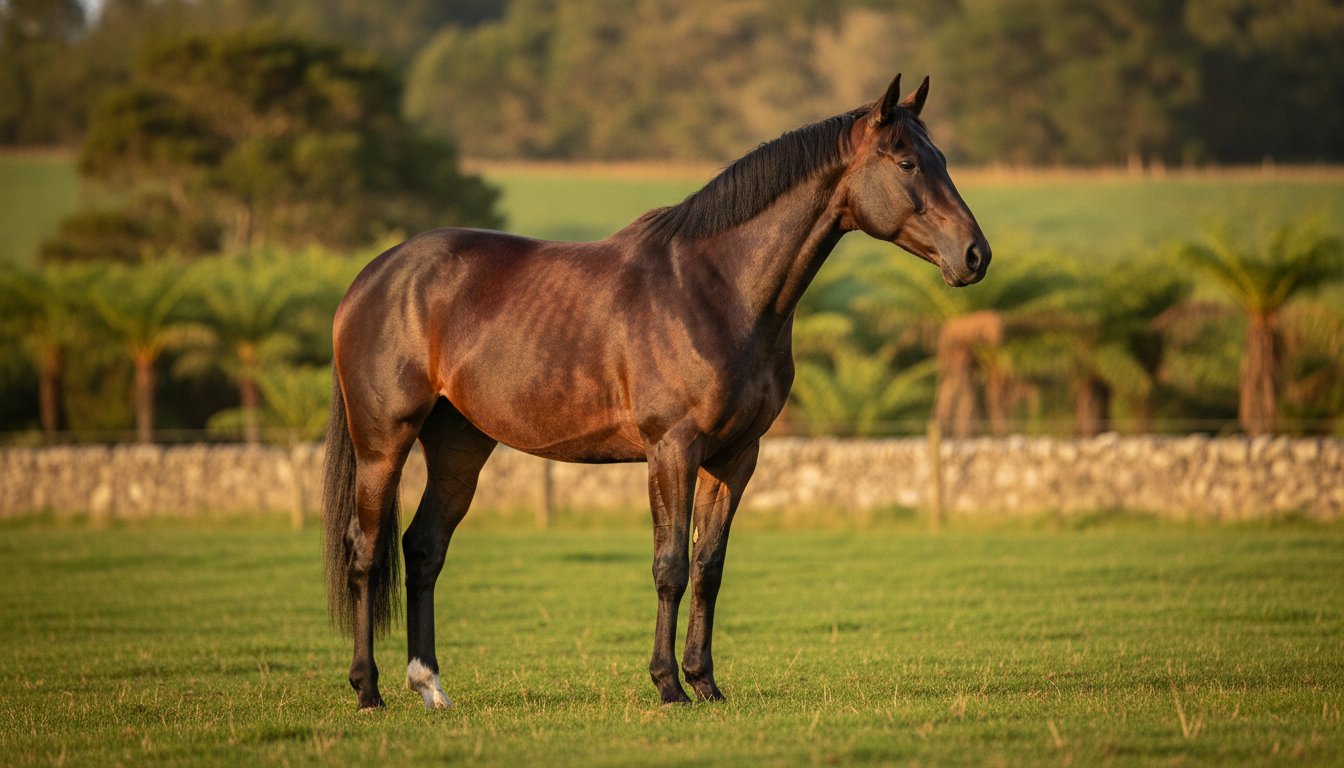
Did you know that 95% of New Zealand pastures fail to provide the minimum zinc requirements essential for a horse's foundational health? When you are staring at visible ribs and a lacklustre coat, it is natural to feel a sense of mounting anxiety, particularly when expensive "fattening" feeds don't seem to make a difference. Searching for effective horse weight gain supplements NZ often leads to a confusing array of high-starch options that fail to address why your horse isn't thriving on the grass beneath their hooves.
We understand the frustration of investing in your horse's condition only to see minimal results. This science-led guide promises to help you move beyond the "more calories" trap by addressing the systemic nutritional gaps unique to our local environment. You'll discover how to optimise metabolic function and unlock the energy already present in your paddock. We will examine the physiological link between mineral balance and muscle development, providing you with a clear, evidence-based strategy to achieve a healthy topline and that elusive, dappled glow without wasting another cent on ineffective solutions.
Key Takeaways
- Learn why identifying your horse as a "poor doer" is the first step in addressing inefficient metabolic processing caused by New Zealand's unique seasonal shifts.
- Discover why the hindgut is the true engine room for conditioning and how preventing hindgut acidosis is crucial for optimal nutrient absorption.
- Understand the impact of New Zealand's specific soil deficiencies, specifically how a lack of copper, zinc, and selenium can act as a hidden block to weight gain.
- Master a simple two-step feeding strategy that combines ad-lib forage with targeted horse weight gain supplements NZ to correct foundational nutritional gaps.
- Explore how a systemic approach using HHIO Pellets provides the essential mineral balance required to achieve a healthy topline and a lasting, dappled coat.
Understanding the "Poor Doer" in the New Zealand Context
Many owners find themselves in a cycle of persistent worry when their horse fails to maintain condition despite appearing to have plenty of feed. We often label these animals as "poor doers," but from a clinical perspective, this term describes a horse with inefficient metabolic processing. It's not simply a matter of hunger; it's about the horse's internal ability to utilise nutrients effectively. This struggle often creates significant psychological stress for the owner, who feels a sense of failure when ribs remain visible despite their best efforts. The science of equine nutrition teaches us that internal systemic health is the primary driver of external condition. When the internal environment is compromised, even the most expensive feeds can fail to produce results.
The Impact of NZ Seasonal Grass on Equine Condition
In New Zealand, we are often blessed with paddocks that look vibrant and "lush," yet this visual abundance can be deceptive. High sugar and potassium levels in flush spring grass can disrupt the delicate balance of the hindgut, leading to metabolic instability rather than steady weight gain. As we transition from the relative warmth of autumn into wet, cold winters, the caloric demand for thermoregulation increases sharply. Without targeted horse weight gain supplements NZ owners often find their horses "melting away" as the grass loses its nutritional density and the environment becomes more demanding. Managing these transitions requires a proactive approach that looks beyond the green of the paddock.
Body Condition Scoring: Assessing Your Horse Accurately
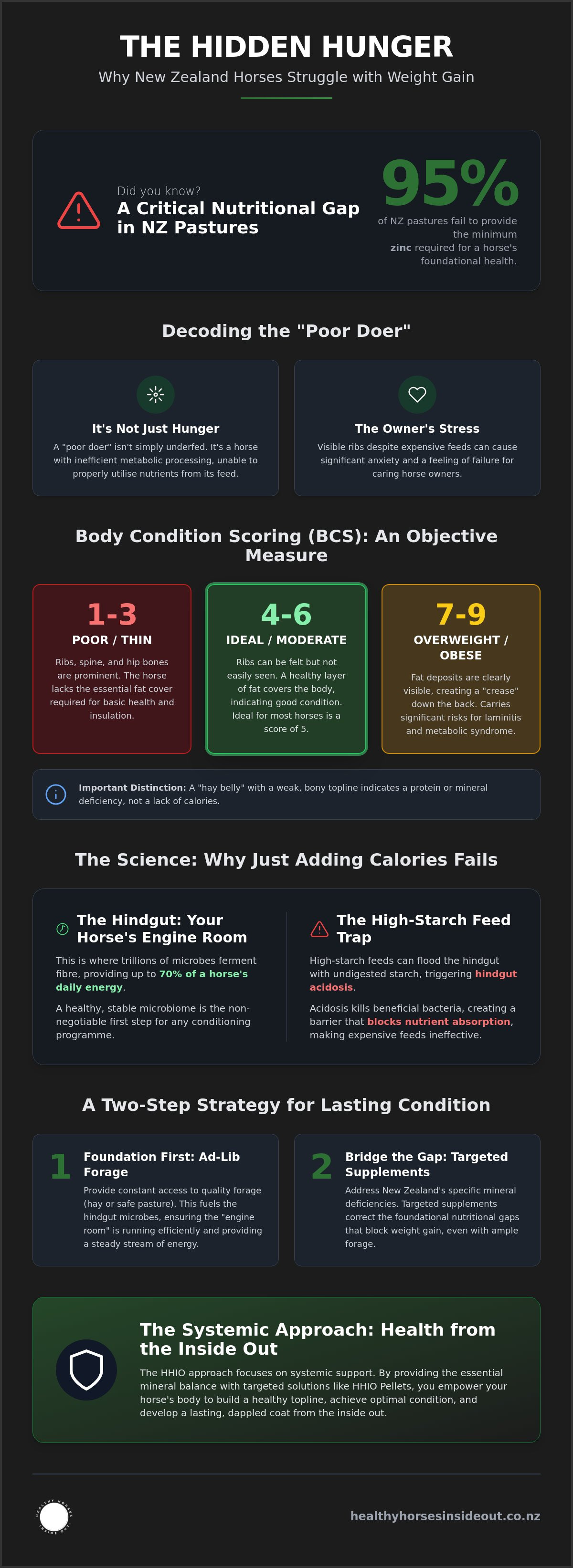
To move beyond guesswork, equine professionals use the 1-9 Body Condition Scoring (BCS) scale to evaluate fat deposits across the body. This methodical approach involves palpating specific areas, including the neck, withers, behind the shoulder, ribs, loin, and tailhead. A score of 1 represents extreme emaciation, while 9 indicates morbid obesity.
- Scores 1-3: Poor to Thin. Ribs and spine are prominent, and the horse lacks the structural padding required for basic health.
- Scores 4-6: Moderate. This is the target zone where the ribs can be felt but not easily seen.
- Scores 7-9: Overweight to Obese. These scores carry significant risks for laminitis and metabolic syndrome.
It's vital to distinguish between fat cover and muscle development. A horse may have a "hay belly" but a weak, bony topline, which usually indicates a protein or mineral deficiency rather than a lack of raw calories. Ideally, a leisure horse should sit around a BCS of 5, whereas a high-performance horse might be kept at a 5.5 to 6 to provide a metabolic buffer for intense work. When the base diet isn't enough to maintain these scores, introducing horse weight gain supplements NZ can help bridge the gap between surviving and truly thriving.
The Science of Weight Gain: Why Calories Aren’t Everything
Achieving a healthy weight is rarely a simple matter of increasing feed volume. In fact, simply piling on more calories without addressing the internal metabolic environment is often counterproductive. Our "Inside Out" philosophy posits that external condition is merely a reflection of internal systemic health. To transform a poor doer, we must first look at the cellular level and the efficiency of the digestive tract. If the foundational health of the gut is compromised, no amount of high-energy feed will result in a sustainable topline or a dappled coat.
Hindgut Fermentation and Nutrient Absorption
The hindgut is the engine room of the equine body. This is where trillions of microbes ferment fibre into volatile fatty acids, providing the horse with up to 70 percent of their daily energy requirements. When owners attempt to rush results with high-starch feeds, they often cause more harm than good. Undigested starch reaching the hindgut can trigger acidosis, an acidic shift that decimates beneficial bacteria and creates a barrier to the basic nutrient requirements for horses. Without a stable microbiome, your investment in horse weight gain supplements NZ will yield poor returns because the horse simply cannot absorb the nutrition provided. A healthy microbiome is the non-negotiable first step to any successful conditioning programme.
The Role of Essential Amino Acids in Building Muscle
There is a vital distinction between fat cover and muscular topline. While fat provides an energy reserve, the topline is built from protein, specifically essential amino acids like lysine and methionine. These are considered "limiting" amino acids; if the diet lacks even one, the body's ability to repair and build muscle tissue is halted. Effective horse weight gain supplements NZ must provide these building blocks in a bioavailable form to ensure the horse develops lean muscle rather than just adipose tissue. This process of protein synthesis is what ultimately creates the powerful, rounded look of a well-conditioned horse. For those looking to address these specific metabolic gaps, exploring Specific Horse Supplements can provide the targeted support needed to restore internal balance and promote lasting physical health.
NZ Pasture & Mineral Deficiencies: The Hidden Weight Blockers
While we have established that the hindgut is the engine room of condition, that engine cannot function without the correct chemical catalysts. In New Zealand, our soils present a unique challenge that often renders even the most lush-looking paddocks nutritionally incomplete. A 2015 analysis of over 440 pastures across Australasia revealed that a staggering 95 percent of samples failed to meet the minimum zinc requirements for horses. When these foundational minerals are missing, the metabolic pathways required for weight gain simply stall. This is why many owners find that horse weight gain supplements NZ are essential to bridge the gap between "filler" calories and actual cellular nourishment.
Understanding these catalysts is a focus of global biochemical research; for instance, laboratories that buy research peptides USA do so to explore the cellular foundations of growth and repair that underpin healthy physical development.
The problem is compounded by "antagonists" frequently found in New Zealand's environment. Many regions have high levels of iron and manganese in the soil and water, which actively block the absorption of essential trace minerals. If your horse is consuming high levels of iron, they may suffer from a secondary copper or zinc deficiency even if those minerals are present in their feed. Relying on a generic salt block is rarely an effective solution; horses often lack the drive to lick these blocks sufficiently, and the concentrations provided are typically inadequate for our local soil profile. To meet veterinary nutritional requirements, a balanced, loose supplement is a far more reliable delivery method for ensuring these blockers are overcome.
Copper and Zinc: Beyond Just a Shiny Coat
Copper and zinc are vital for more than just aesthetics. They are critical components of the enzymes that drive energy metabolism and tissue repair. If you notice a bleached, "rusty" coat, "fish hooks" at the tips of the ears, or crumbly hoof walls, your horse is likely struggling with a deficiency that prevents them from holding weight. For New Zealand horses, maintaining a specific ratio of approximately three to four parts zinc to one part copper is necessary to ensure one does not interfere with the absorption of the other. Correcting this ratio is a fundamental step in any conditioning programme.
Selenium: The Critical NZ Trace Element
New Zealand is globally recognised for its selenium-deficient soils, making this trace element a high priority for local owners. Selenium plays a non-negotiable role in muscle repair and immune function. Without it, a horse may struggle to build a topline or recover from the minor stresses of daily exercise. However, because the window between deficiency and toxicity is narrow, safe supplementation is paramount. You must always verify the selenium levels in your horse's current diet before adding more, as many horse weight gain supplements NZ already include this potent mineral to account for our local soil gaps.
Designing a Weight Gain Feeding Plan for Your Horse
Building a sustainable feeding plan requires a structured approach that prioritises biological necessity over marketing promises. It is tempting to reach for high-calorie oils or grains immediately, but without a stable foundation, these additives often fail to produce lasting results. A methodical four-step process ensures your horse's metabolic needs are met in the correct order. First, you must provide ad-lib access to high-quality forage to keep the hindgut "engine room" functioning. Second, you must balance the base diet with high-spec horse weight gain supplements NZ to address the soil deficiencies discussed earlier. Only after these foundational steps are secure should you introduce hard feeds. Finally, monitor your horse's progress by recording their Body Condition Score every three to four weeks, adjusting the caloric intake as their requirements evolve.
Choosing the Right Forage Base
Forage is the most critical component of any conditioning programme. While meadow hay is a staple for many New Zealand paddocks, lucerne can be a superior choice for poor doers due to its higher protein and calcium content. Baleage offers a higher energy density than dry hay, making it an excellent tool for weight gain, provided it is of high hygienic quality. The "cheapest" hay often proves expensive in the long run if it lacks nutritional value or contains mould that compromises respiratory health. Beyond calories, long-stem forage ensures adequate chewing time, which is essential for producing the saliva needed to buffer stomach acid and maintain gastric health.
Hard Feeds vs. Concentrates: Making the Right Choice
When forage and minerals are balanced, hard feeds can provide the extra "boost" needed for stubborn cases. Super fibres like beet pulp or soy hulls provide "cool" energy through fermentation, avoiding the "fizzy" or unpredictable behaviour often associated with high-starch grains. Many commercial "weight gain" pellets are convenient, but you must scrutinise the ingredients to ensure they aren't simply filler-heavy products that rely on sugar for palatability. By choosing low-glycemic energy sources, you can add significant calories without risking metabolic upset or laminitis. To ensure your horse has the foundational nutrients required to process these extra calories, consider integrating our Everyday Horse Supplements as the essential first step in your new feeding strategy.
This systematic approach moves away from the "one-size-fits-all" mentality that dominates the retail market. By addressing the horse's needs in a logical sequence, you create a resilient internal environment that can actually utilise the feed you provide. Success is not measured by how much you put in the bucket, but by how well the horse's body translates those nutrients into a strong topline and a healthy, dappled coat.
The HHIO Approach: Systemic Support for Lasting Condition
Restoring condition in a poor doer requires more than just hope; it demands a precise, evidence-based intervention that addresses the root causes of metabolic inefficiency. At Healthy Horses Inside Out, we provide the tools to transition from reactive feeding to proactive wellness. By addressing the internal factors that influence external health, we act as a methodical mentor for owners who are tired of the trial and error approach. Our range of horse weight gain supplements NZ is designed to provide the specific biological triggers needed to unlock the nutrients already present in your forage and hard feed, ensuring that every mouthful contributes to a healthier topline.
Why HHIO Pellets are the NZ Gold Standard
Foundation is everything in equine nutrition. HHIO Pellets were developed specifically to address the pervasive mineral deficiencies found in New Zealand paddocks, such as the critical lack of zinc and copper we discussed earlier. Unlike messy powders that often sift to the bottom of the feed bin or get blown away in the wind, these concentrated pellets offer a convenient and highly bioavailable delivery system. They support hoof quality, coat shine, and gut integrity simultaneously, providing a balanced baseline that simplifies your daily routine. By providing this foundational support, you ensure the horse's system is optimised to process the extra calories required for weight gain.
Simplifying Equine Nutrition with HHIO Bundles
Managing multiple horses or complex cases with both digestive and metabolic sensitivities can feel overwhelming. To solve this, we have curated Horse Supplement Bundles that take the guesswork out of your ordering process. The "Everyday Care" bundle provides the essential minerals needed for foundational health, while our more targeted Horse Supplement Bundles are designed for those horses needing extra support for gut stability or metabolic balance. These solutions allow you to address the needs of your entire herd with clinical precision and cost-effective strategy. You can organise your horse’s nutrition with HHIO Bundles today to begin the journey toward lasting health.
Our commitment to animal welfare is rooted in the belief that "peace of mind" comes from knowing you are providing the best possible nutritional support. We don't believe in quick fixes that only mask symptoms; we believe in building health from the inside out. When you choose HHIO, you aren't just buying horse weight gain supplements NZ; you are partnering with a team that values scientific integrity and the long-term vitality of your horse. This methodical approach ensures that the weight your horse gains is not just temporary fat cover, but a reflection of a balanced, thriving system that will carry them through many seasons to come.
Maintaining a property that supports a thriving herd is a significant commitment; if you are looking to purchase or refinance a lifestyle block or home, Mortgage Suite Ltd provides specialised financing solutions to help you achieve your property goals.
Transform Your Horse’s Condition from the Inside Out
Restoring a healthy topline and a vibrant, dappled coat is a journey of metabolic repair rather than a simple caloric increase. By acknowledging the unique mineral deficiencies in New Zealand pastures and prioritising hindgut health, you move away from the frustration of ineffective feeds. Real progress starts when you address the systemic gaps that prevent your horse from thriving on their forage. We have spent over a decade developing science-led NZ formulations that empower owners to achieve lasting results through foundational support rather than temporary fixes.
Our approach is trusted by New Zealand equestrians because it focuses on the underlying biological mechanisms of health. Choosing the right horse weight gain supplements NZ ensures your horse has the essential trace minerals and amino acids required for muscle development and energy metabolism. We invite you to View the full range of HHIO Weight Gain Solutions and take the first step toward a more confident nutritional strategy. You don't have to navigate this alone; we are here to support you in achieving the peace of mind that comes with a truly thriving horse.
Frequently Asked Questions
What is the best supplement for horse weight gain in NZ?
The most effective approach involves identifying and correcting the specific mineral deficiencies found in New Zealand soil. HHIO Pellets serve as a foundational choice because they provide the precise ratios of copper, zinc, and selenium required to optimise metabolic function. Rather than just adding empty calories, these horse weight gain supplements NZ work by ensuring the horse's internal system can effectively process the forage and hard feed they consume.
How long does it take for a horse to gain weight with supplements?
You should expect to see initial improvements in coat shine and skin quality within two to four weeks of starting a balanced nutrition regime. However, significant weight gain and the development of a strong topline are physiological processes that typically take three to six months of consistent support. Progress is often gradual as the body repairs internal tissues and restores metabolic balance before depositing visible fat cover and building lean muscle.
Can mineral deficiencies cause a horse to be underweight?
Yes, mineral deficiencies are a primary hidden cause of poor condition in New Zealand horses. When a horse lacks essential trace elements like zinc or copper, their metabolic pathways for energy utilisation and protein synthesis are compromised. This means that even with a high-calorie diet, the horse cannot physically build muscle or maintain fat cover because the chemical catalysts required for these biological processes are missing.
Is lucerne good for weight gain in horses?
Lucerne is an excellent forage choice for horses needing to gain weight due to its high protein and calcium content compared to standard meadow hay. It provides the essential amino acids required for building a muscular topline and offers a higher energy density per kilogram of dry matter. We recommend using it as a significant portion of the forage base for poor doers to provide a "cool" energy boost without the risks associated with high-grain diets.
Why is my horse a "poor doer" even on good grass?
Visual abundance in a paddock does not always equate to nutritional density. Many New Zealand pastures are high in sugar and potassium but critically low in essential trace minerals, or they contain "antagonists" like iron that block mineral absorption. This creates a situation where the horse is consuming plenty of bulk but remains systemically malnourished, leading to the "poor doer" phenotype despite the appearance of "good" grass.
Do I need to worry about Selenium toxicity in NZ?
While New Zealand soils are notoriously selenium-deficient, you must exercise caution because the margin between a safe dose and toxicity is relatively narrow. It's essential to verify the total selenium intake from all sources, including fortified pellets and pre-mixed hard feeds, before adding further supplementation. Professional guidance or blood testing can provide the peace of mind needed to ensure your horse is receiving an optimal, safe level for muscle repair and immune support.
How do I know if my horse needs a gut health supplement?
Physical signs such as loose manure, persistent bloating, or a dull coat often indicate that the hindgut microbiome is out of balance. If your horse is struggling to hold weight despite a high-quality diet, or if they exhibit "fizzy" and reactive behaviour, they likely require a gut health supplement to restore the correct pH and microbial diversity. A stable hindgut is the prerequisite for the efficient absorption of any horse weight gain supplements NZ.
Are HHIO Pellets suitable for all breeds and ages?
HHIO Pellets are formulated as a foundational mineral balancer suitable for horses of all breeds, ages, and workloads. From growing youngsters needing structural support to senior horses requiring metabolic assistance, the precise mineral ratios help maintain systemic health across the board. Because they are low in sugar and starch, they are particularly safe for metabolic-sensitive horses while providing the high-spec nutrition needed for performance and conditioning.


