
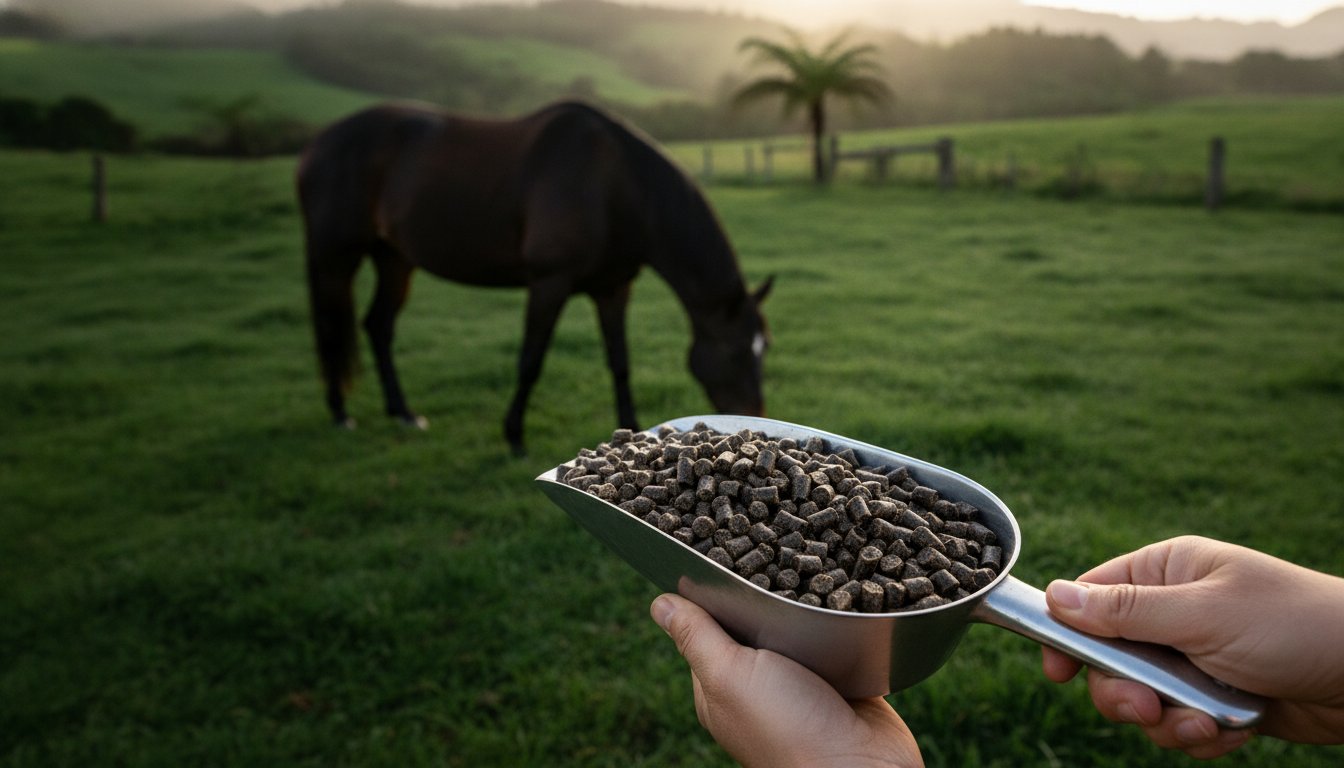
Is your horse's hard feed actually a nutritional investment, or are you simply paying for expensive, low-bioavailability "filler" that passes straight through their system? If you've noticed dull coats or brittle hooves despite a consistent feeding routine, you're likely feeling the frustration of a diet that looks good on paper but fails to deliver on a biological level. Selecting the best horse pellets NZ requires more than just picking a bag off a retail shelf; it demands a clinical understanding of how specific ingredients interact with our unique local pasture conditions and comply with ACVM standards.
We believe you deserve the peace of mind that comes from an intentional, science-led feeding programme. This guide simplifies the complex choices between complete feeds and balancers by focusing on evidence-based wellness rather than retail marketing tactics. You'll learn how to identify high-quality formulations that fill critical nutritional gaps, ensuring your horse achieves the visible improvements in condition and performance that come from truly optimised internal health.
Key Takeaways
- Understand why New Zealand’s unique soil leaching and mineral lock-in mean that pasture alone is rarely sufficient to meet a horse's foundational requirements.
- Learn to distinguish between high-volume complete feeds and concentrated balancers to select the most efficient horse pellets NZ for your horse's specific energy needs.
- Evaluate feed labels with clinical precision by focusing on nutrient bioavailability and the critical Copper-to-Zinc ratios that drive visible health improvements.
- Customise your feeding routine based on workload and life stage, ensuring senior horses and performance athletes receive targeted digestive and joint support.
- Discover how an "inside out" nutritional philosophy can simplify your daily routine while providing the peace of mind that all systemic gaps are filled.
The Role of Horse Pellets in a New Zealand Feeding Programme
Modern equine management has moved beyond the traditional hard feed model, where buckets were filled with grains primarily for energy. Today, we understand that horse pellets NZ should function as a nutritional foundation, providing a consistent intake of the elements often missing from our unique environment. At their core, pellets are a compressed form of nutrition, designed to ensure that even the pickiest eater cannot sort through their feed and miss out on essential fortification. This intentional approach to feeding prioritises systemic health over mere calorie consumption.
Understanding the biological requirements of your horse is the first step toward true wellness. For a deeper look at these requirements, you can consult a comprehensive guide to equine nutrition, which outlines the fundamental roles of protein, vitamins, and minerals. In the New Zealand context, these fundamentals are often disrupted by our specific soil profiles and grazing conditions, making a standardised approach to feeding insufficient for long-term health.
Why NZ Pasture Requires a Pellet Foundation
New Zealand’s volcanic soils and high-rainfall regions are prone to significant mineral leaching. Our pastures are frequently characterised by excessively high potassium levels and a corresponding lack of sodium, a combination that can disrupt the delicate electrical balance of a horse's cells. Seasonal grass flushes further complicate this, as rapid growth often leads to a lock-in of minerals like magnesium. When horses rely solely on pasture, we often see grass-affected behaviours, characterised by heightened anxiety or physical tension, alongside visible signs like poor hoof quality and a lack of topline. A targeted pellet foundation works to rebalance these internal systems.
The Problem with "Filler" Pellets
It's tempting to select a pellet based on price or bag volume, but many budget options rely heavily on fillers such as mill run and various cereal by-products. These ingredients serve to bulk out the product without providing high-quality, bioavailable nutrition. High-starch fillers can be particularly detrimental, as they often trigger metabolic instability and disrupt the sensitive microbial balance of the hindgut. Choosing horse pellets NZ based on their nutritional integrity rather than their volume ensures your horse receives the building blocks they need for long-term vitality, rather than just empty calories that can lead to systemic inflammation.
Balancer Pellets vs. Complete Feeds: Which Does Your Horse Need?
Understanding the distinction between these two categories is vital for anyone searching for horse pellets NZ that actually support long-term health. A "Complete Feed" is formulated as a bulk calorie source. It's intended to be fed in large quantities, often several kilograms per day, to provide both energy and a baseline of nutrients. In contrast, a "Balancer" is a high-density nutritional tool. It delivers a potent concentration of vitamins, minerals, and amino acids in a very small daily serving, typically between 500 grams and 1 kilogram. This distinction is the difference between feeding for volume and feeding for precision.
Many New Zealand owners face the "Good-Doer" dilemma. Because our pastures are often lush, horses can easily maintain weight or even become overweight on grass alone. If you feed a complete feed to these horses at half the recommended rate to avoid weight gain, you inadvertently starve them of essential minerals. Purdue's guide to nutritional management emphasises that while forage is the diet's foundation, concentrates must be fed according to specific directions to meet daily requirements. If your horse is a "good-doer," a high-quality balancer is the more logical, cost-effective choice over the long term.
When to Choose a Concentrated Balancer
These are ideal for horses at maintenance or those in light work who stay in good condition easily. Because they're typically low in starch and sugar, balancers provide crucial support for metabolic-sensitive horses, including those prone to laminitis or Equine Metabolic Syndrome (EMS). Using a balancer gives you total control over the diet. You can add your own fibre sources, such as specific chaffs or hay, without the risk of oversupplying energy or "fizz."
When a Complete Feed Pellet is Appropriate
Complete feeds serve a specific purpose for high-performance athletes or "poor-doers" who struggle to maintain condition on forage alone. When feeding large volumes, it's essential to split the ration into multiple small meals to protect hindgut health. Always check the "per kilo" mineral concentration on the bag. Bulk feeds often have lower nutrient density than balancers, meaning you must feed the full recommended volume to fill the nutritional gaps common in our soil. Selecting the right foundation ensures you aren't just filling a bucket, but are instead supporting systemic vitality. If you're looking for a targeted solution tailored to our local conditions, exploring HHIO Pellets can help you bridge the gap between pasture deficiencies and optimal performance.
Evaluating the Label: Essential Nutrients for NZ Horses
Reading a feed tag requires a discerning eye, as the presence of a nutrient on a label does not guarantee its effectiveness. When comparing horse pellets NZ, the concept of bioavailability is paramount. Bioavailability refers to the proportion of a nutrient that is actually absorbed and utilised by the horse's body. Many mass-market pellets utilise inorganic mineral oxides because they are cost-effective to manufacture, yet these forms are often poorly absorbed. Seeking out chelated minerals or organic complexes ensures that the nutritional investment you make actually reaches the cellular level, rather than simply passing through the digestive tract as waste.
Beyond the form of the nutrients, the specific ratios are critical. In New Zealand, our soils are often high in iron and manganese, both of which can actively block the uptake of essential trace minerals. This antagonism makes the selection of a pellet an exercise in precision. You aren't just looking for "fortification"; you're looking for a formulation designed to counter these environmental challenges through optimised mineral balances and high-quality protein sources.
The Big Three: Copper, Zinc, and Selenium
New Zealand soil is notoriously deficient in copper, zinc, and selenium. These deficiencies manifest in ways that many owners mistake for simple "bad luck." A copper and zinc imbalance often leads to sun-bleached coats, a persistent susceptibility to mud fever, and brittle hoof walls that struggle to hold a shoe. Selenium is equally vital for muscle health and immune function, yet it requires a cautious approach. Because the window between deficiency and toxicity is narrow, your choice of horse pellets NZ must provide a safe, measured dose. Always calculate the total selenium intake from all sources to ensure you stay within the "sweet spot" of 1mg to 3mg per day for an average horse.
Vitamins and Antioxidants
A horse's requirement for Vitamin E increases significantly when they have restricted access to fresh, green pasture, such as during drought or when kept on a track system. Vitamin E acts as a potent antioxidant, protecting tissues from oxidative stress during exercise. While many owners reach for biotin to solve hoof issues, biotin alone is often ineffective if the underlying mineral foundation is missing. Hoof quality is a systemic outcome that requires a combination of minerals, vitamins, and essential amino acids like lysine and methionine. Additionally, iodine must be present in the diet to support healthy thyroid function, which regulates the metabolic rate and overall energy levels of your horse.
By focusing on these specific biological markers, you can move away from the confusion of "complete" marketing and toward an intentional feeding routine that delivers visible results.

Selecting the Right Pellet for Your Horse’s Life Stage
The nutritional requirements of a growing foal differ fundamentally from those of a spelling pony or a grand prix athlete. When selecting horse pellets NZ owners must consider how metabolic efficiency and physiological stress change throughout a horse's life. A generic "horse and pony" pellet often fails to address these nuances, either oversupplying energy to those who don't need it or undersupplying the critical building blocks required for tissue repair and growth. Precision is key. A spelling horse requires a low-energy mineral base to maintain systemic health, while a horse in full work needs a calorie-dense yet stable fuel source.
The Performance Horse: Fueling without the "Fizz"
For the competition horse, the objective is to provide fuel for work without inducing the dreaded "fizz." This excitability is frequently a result of high-starch cereal fillers that trigger a rapid glucose spike and subsequent drop, leading to erratic behaviour. By choosing a low-starch pellet and ensuring adequate magnesium levels, you support a focused, calm temperament. In many cases, these horses also benefit from everyday horse supplements to provide an extra layer of protection during peak training periods. This combination ensures that energy is utilised for performance rather than wasted on nervous tension.
The Senior Horse: Maintaining Condition and Vitality
Older horses often present a unique challenge: the "ribby but pot-bellied" appearance. This is typically a sign of protein deficiency and declining digestive efficiency rather than a simple lack of calories. Veterans require highly bioavailable protein and chelated minerals to maintain muscle mass and skeletal integrity. A gut-friendly pellet that avoids harsh irritants is essential for maintaining vitality in their later years. Because their ability to chew long-stem forage may decrease, the pellet must be easily digestible to ensure that nutrients are absorbed before they pass through the aging digestive tract.
Youngstock also require specialised attention. Correct bone development in foals and yearlings is heavily dependent on a precise mineral balance, particularly the copper and zinc ratios discussed in previous sections. Oversupplying energy without matching it with minerals can lead to rapid growth spurts that increase the risk of developmental orthopaedic diseases. Ensuring a steady, balanced growth rate through a dedicated youngstock pellet is the most intentional choice a breeder can make.
This focus on stage-specific development is a priority for many owners who are also parents; for those looking for similar care in infant products, you can visit Baby Loves Sleep to discover milestone-based sleep solutions.
In addition to supporting the young and old in our stables, many owners also provide care for aging relatives; FIVESTEP 五步健 serves as a comprehensive resource for senior and rehabilitation shopping needs.
When comparing brands of horse pellets NZ, use this checklist to ensure you are making an evidence-based decision:
- Does the label specify a low starch and sugar content (NSC)?
- Are the trace minerals chelated or in organic form for better bioavailability?
- Does the formulation include essential amino acids like Lysine and Methionine?
- Is the product free from vague "cereal by-products" or "mill run" fillers?
To provide your horse with a nutritional foundation specifically formulated for New Zealand conditions and life stages, explore the range of HHIO Pellets today.
Why HHIO Pellets are the Logical Choice for NZ Owners
HHIO Pellets represent the culmination of nutritional precision tailored specifically for the unique New Zealand landscape. Rather than following the traditional retail model of providing bulk calories, we've developed a concentrated nutritional delivery system that addresses the systemic imbalances often found in our local pastures. This "Inside Out" philosophy prioritises internal health as the primary driver of external performance, ensuring that every milligram of feed serves a biological purpose. When you choose these horse pellets NZ, you're not just filling a bucket; you're providing a scientifically sound foundation that supports everything from hoof integrity to metabolic stability.
As a methodical mentor in equine wellness, we understand that owners seek professional-grade results without the confusion of complex mixing. Our pellets are designed to act as a consistent base that can be easily integrated with HHIO supplement bundles, allowing for a streamlined routine that doesn't compromise on nutritional depth. This approach offers the peace of mind that comes from knowing your horse's foundational requirements are met with clinical accuracy.
The HHIO Difference: Science over Marketing
We've made the intentional choice to exclude unnecessary fillers and inflammatory ingredients that are common in mass-produced feeds. You won't find mill run or vague cereal by-products in our formulation. By focusing on high-quality, bioavailable ingredients, we've created a product that simplifies the feeding shed. Whether you're managing a performance athlete or a retired veteran, our pellets provide a versatile base that can be adjusted to suit individual energy requirements. This commitment to integrity means you're investing in substance rather than volume, reducing the metabolic load on your horse while optimising their systemic health.
Getting Started with HHIO
Transitioning your horse onto a new nutritional programme should be a methodical process to allow the hindgut microbes to adapt. We recommend a gradual introduction over 10 to 14 days, slowly increasing the amount of HHIO Pellets while decreasing the previous feed. This steady approach minimises the risk of digestive upset and ensures a smooth biological transition. For horses with specific challenges, such as poor hoof quality or gut sensitivities, combining our pellets with targeted HHIO supplement bundles can accelerate visible improvements. By addressing these issues from the inside out, you're setting the stage for long-term vitality and performance. It's time to move away from the guesswork of traditional feeding and embrace a more intentional, evidence-based strategy.
If you're ready to provide your horse with the most advanced horse pellets NZ has to offer, the path to better health starts here. Organise your horse’s nutrition with HHIO Pellets today and experience the difference that nutritional integrity makes.
Empowering Equine Vitality Through Intentional Nutrition
Selecting the right horse pellets NZ is a decision that impacts every aspect of your horse's systemic health, from the strength of their hooves to the clarity of their temperament. By prioritising high bioavailability and precise mineral ratios over bulk fillers, you move away from the "quick fix" mentality and toward a long-term wellness strategy. We've explored how addressing New Zealand's specific soil deficiencies and choosing a pellet tailored to your horse's life stage can transform visible health outcomes. This methodical approach ensures you aren't just feeding for calories, but are instead providing an intentional foundation for performance.
HHIO Pellets are formulated specifically for New Zealand soil profiles, offering the scientific integrity and high bioavailability trusted by owners across the country. When you fill the bucket with a product designed for our unique conditions, you gain the peace of mind that comes from evidence-based care. It's about more than just maintenance; it's about helping your horse thrive in an environment that often lacks the essential building blocks for vitality.
Browse the HHIO Pellet range for a healthier horse from the inside out and start your journey toward optimised equine wellness today. Your horse's best performance begins with the right internal support.
Frequently Asked Questions
Do I need to feed pellets if my horse is on good NZ grass?
Yes, because visual pasture quality does not correlate with mineral density. New Zealand soils are frequently leached of copper, zinc, and selenium, meaning even lush, green grass can leave your horse nutritionally deficient. A targeted pellet ensures these systemic gaps are filled, supporting health from the inside out regardless of how the pasture looks.
Can I feed HHIO Pellets to a horse prone to laminitis?
HHIO Pellets are specifically formulated to be safe for horses prone to laminitis due to their low-sugar and low-starch profile. They provide the essential fortification metabolic horses require without the dangerous non-structural carbohydrate (NSC) spikes found in traditional grain-based feeds. This allows you to support their nutritional foundation without compromising their metabolic stability.
How much Selenium is too much when feeding pellets and supplements together?
For an average 500kg horse, the total daily selenium intake should ideally stay between 1mg and 3mg. While deficiency is a significant concern in New Zealand, toxicity can occur if you consistently exceed 5mg daily. Always calculate the combined total from your horse pellets NZ and any additional supplements to ensure you stay within a safe, effective range.
Will pellets make my horse "hot" or fizzy?
Pellets only cause "fizz" if they rely on high-starch cereal fillers or excessive sugars for energy. Choosing low-NSC formulations that prioritise magnesium and bioavailable minerals supports a calm, focused temperament. This approach avoids the blood sugar spikes that lead to excitability, instead providing stable energy and supporting healthy nervous system function.
What is the difference between a balancer pellet and a mineral lick?
The primary difference is intake precision. A mineral lick relies on the horse's random interest, which often leads to inconsistent consumption and leaves nutritional gaps. A balancer pellet provides a measured, daily dose of concentrated nutrients, ensuring your horse receives exactly what they need for optimal health every single time they are fed.
How long does it take to see results after switching to a high-quality pellet?
You will typically notice a glossier coat and improved skin condition within three to four weeks of switching to high-quality pellets. Structural changes, such as improved hoof wall integrity and increased muscle topline, generally take three to six months to become clearly visible. This timeline reflects the time required for internal systemic improvements to manifest externally.
Can I feed the same pellet to my foal and my senior horse?
A high-specification balancer pellet can often serve both life stages because foals and seniors both require elevated mineral levels and quality protein for tissue support. However, you must adjust the feeding rate to ensure the foal's rapid growth requirements and the senior's maintenance needs are precisely met. This ensures both horses receive the building blocks they need without excess calories.
Why are some horse pellets so much cheaper than others in NZ?
Price differences in horse pellets NZ usually reflect the quality of the ingredients and their bioavailability. Cheaper pellets often use inorganic mineral oxides and "mill run" fillers that the horse's body struggles to absorb. Premium formulations use chelated minerals and essential amino acids, which are more expensive to source but ensure the nutrients actually reach the horse's cells to produce results.


